Floral Ribbon Font: A Simple Upgrade for Better Branding
Running a small business means every detail matters. From the way your packaging looks to how your social media posts are formatted, each choice contributes to your brand’s overall identity. I’ve been in this space for years, and one thing I’ve learned is that typography plays a bigger role in branding than most people realize. A few months ago, I decided to update my bakery’s packaging, and it was a font choice that made all the difference—Floral Ribbon.
What Is Floral Ribbon?
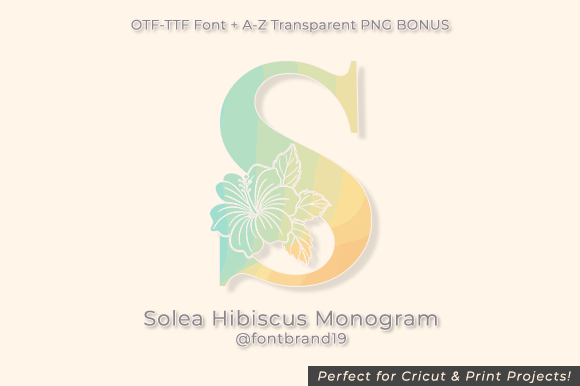
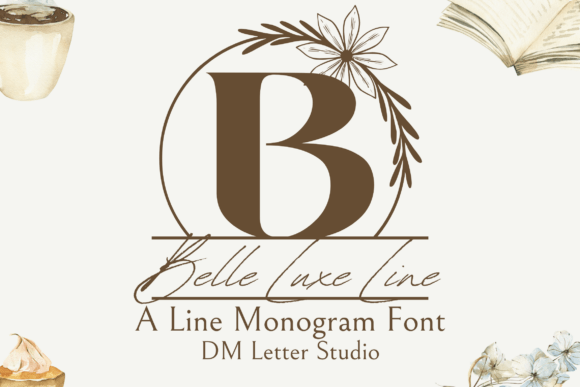
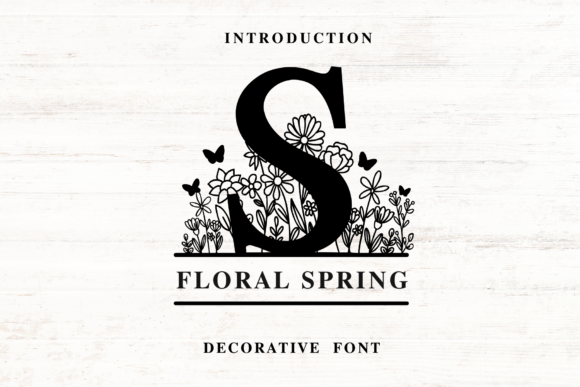
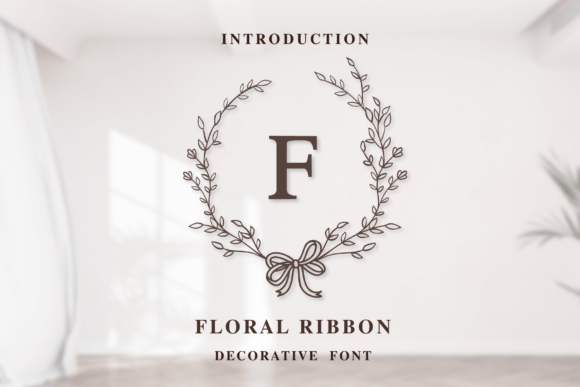
Floral Ribbon is a decorative typeface that blends elegance with charm. It features delicate floral accents and a soft ribbon motif, making it feel both classic and contemporary. The font has a gentle, inviting personality that’s perfect for businesses that want to convey warmth and sophistication. It’s not too flashy, but it adds just the right amount of visual interest to make your materials stand out.
When I first saw Floral Ribbon, I knew it would work well with my bakery’s aesthetic. My shop specializes in handmade pastries and seasonal treats, and I wanted my packaging to reflect that same care and attention to detail. Floral Ribbon felt like the perfect match—it brought a touch of whimsy without being overwhelming.
How I Used Floral Ribbon in My Business
I started by updating my product labels. Before, I used a basic sans serif font that felt too plain. With Floral Ribbon, I could add a decorative flourish to my packaging titles, making them more eye-catching. I also used it on thank-you cards and promotional flyers, which helped reinforce my brand’s visual consistency.
One of my favorite uses was for the tag on my seasonal gift boxes. Instead of a simple label, I added a small design featuring the font with a floral border. It turned a regular box into a piece of art, and customers loved it. The font helped create a sense of occasion, making even the simplest treats feel special.
Where Can Floral Ribbon Be Used?
Floral Ribbon is incredibly versatile. Here are some practical ways I’ve used it in my business:
- Logo Design: For a boutique or café, it can be used as a primary font in logos, especially when paired with a clean sans serif font for balance.
- Product Labels: Perfect for packaging, especially for items like candles, skincare products, or handmade goods.
- Business Cards: Adds a touch of elegance to contact information and brand messaging.
- Social Media Graphics: Works well for Instagram stories, Facebook banners, and Twitter headers.
- Menus and Flyers: Ideal for headings and short phrases, helping to draw attention to key details.
- Website Banners: Enhances the visual appeal of landing pages and promotional content.
- Thank-You Cards: Adds a personal and thoughtful touch to customer appreciation notes.
The key is to use it thoughtfully. While Floral Ribbon is great for headlines and decorative elements, it’s best used sparingly. Overusing it can make your designs feel cluttered or less professional.
Why Typography Matters for Small Businesses
Typography isn’t just about looking good—it’s about making a lasting impression. When you choose the right font, you’re telling your audience something about your brand. Floral Ribbon helps communicate warmth, creativity, and quality, which are essential for small businesses that want to build trust and loyalty.
Readability is also crucial. Whether you’re printing on paper or displaying on a mobile screen, your font should be easy to read. I found that Floral Ribbon works well at larger sizes, but I had to adjust the weight and spacing for smaller text, like on business cards or social media thumbnails. This ensures that your message is clear and your brand remains professional.
Pairing Floral Ribbon with Other Fonts
To keep things balanced, I often pair Floral Ribbon with a clean sans serif font like Montserrat or Lato. This combination creates a nice contrast between the decorative elements and the more modern, readable text. For a more elegant look, I’ve also used it alongside a serif font like Playfair Display for a classic, refined feel.
If you’re using Floral Ribbon for logos or display text, consider pairing it with a bold, modern sans serif font for a striking contrast. For everyday use, such as body text or supporting copy, a simpler, more neutral font will help maintain clarity and readability.
Getting Started with Floral Ribbon
Before using any font commercially, it’s important to check the licensing terms. Make sure you have access to the necessary file formats, such as OTF or TTF, and that you’re allowed to use it for print, digital, and commercial purposes. Many fonts offer different weights, ligatures, and alternates, so explore those options to find the best fit for your needs.
Also, consider multilingual support if you plan to use the font in different languages. Some fonts may not render correctly in certain scripts, so it’s always a good idea to test it before finalizing your design.
With a little experimentation, Floral Ribbon can become a staple in your design toolkit. It’s a font that feels both timeless and fresh, making it ideal for businesses that want to stand out in a crowded market.